Clear Choices: The Real Talk About Water Purification and Alkalinity at Home
Water. It’s such a simple thing, right? Just a glass, a sip, and yet—there’s a world of chemistry and health trends swirling beneath that clear surface. Over the past few…
Water. It’s such a simple thing, right? Just a glass, a sip, and yet—there’s a world of chemistry and health trends swirling beneath that clear surface. Over the past few years, more and more people have started paying attention to what kind of water they drink. Not just whether it’s clean, but how it’s filtered, what minerals it contains, and even its pH level. Somewhere in between all the filters, ionizers, and home remedies, “alkaline” became the buzzword of the decade.
But let’s pause for a second. What does it really mean to drink alkaline water? Does it make a difference? And where does filtration fit into all of this? If you’ve ever found yourself standing in front of a row of water systems, trying to figure out what’s worth the investment, this one’s for you.
The Rise of Purity Obsession
It’s funny how we’ve gone from barely thinking about what comes out of the tap to treating it like a wellness ritual. Blame it on urban water concerns, social media, or just our growing awareness, but today, filtration systems are no longer luxury—they’re lifestyle essentials.
Take the concept of reverse osmosis regina, for instance. In many Canadian homes, especially in areas like Regina where tap water can contain minerals that affect both taste and appliance longevity, RO systems have quietly become household heroes. Reverse osmosis isn’t fancy jargon; it’s a process that pushes water through a semi-permeable membrane, removing impurities, heavy metals, and even trace chemicals. What you’re left with is incredibly pure, almost “empty” water.
That’s the good and the tricky part. It’s clean, yes, but it’s also stripped of minerals that give water its natural character. Some people say it tastes “flat.” Others love it for the same reason. Either way, it’s become the foundation for countless modern households wanting control over what they drink.
The Alkaline Craze — What’s the Deal?
Once you’ve got clean water, the next question seems inevitable: can we make it better? That’s where the idea of alkalinity enters the scene. At its core, it’s about balance. Regular water sits at a neutral pH of 7. Alkaline water pushes that number up, usually between 8 and 9. The theory goes that since modern diets are heavy on acidic foods, alkaline water can help “neutralize” some of that acidity and promote better overall health.
Whether or not the science is fully behind it, there’s no denying people feel a difference. Maybe it’s the minerals, maybe it’s placebo, or maybe it’s just that you’re paying attention to hydration for the first time in ages. Whatever it is, it’s become a quiet wellness habit—one that’s easy to try and surprisingly refreshing.
So, How Do You Actually Make Alkaline Water?
Here’s where things get practical. You don’t need to buy expensive bottles from boutique brands or install massive machines to start. Learning how to make water alkaline is simpler than most guides make it sound.
You can start small. Add a slice of lemon to your water—it sounds counterintuitive since lemons are acidic, but once metabolized, they have an alkalizing effect on your body. If you want a quicker shift, a tiny pinch of baking soda can raise the pH instantly. It’s the oldest trick in the book, really.
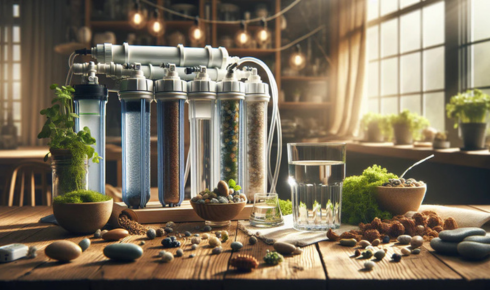
There are also filters and mineral drops that do the job neatly. These add back magnesium, potassium, and calcium, giving water both an alkaline boost and a crisp, mineral-rich taste. The best part? You can experiment. Try one method for a week, see how it feels, and switch it up. There’s no strict formula here—just personal preference and a bit of curiosity.
Finding Balance Between Purity and Minerals
Now, here’s where the water conversation gets interesting. When you use systems like reverse osmosis, you’re removing almost everything—including minerals that make water naturally alkaline. So if you’re drinking only RO-filtered water, you might want to reintroduce some minerals back. That’s not just for taste but for balance.
Many modern systems now include remineralization filters that restore calcium and magnesium after purification. Think of it like stripping down and then dressing up again—pure, clean, but now revitalized. You get the safety of filtered water without losing the natural benefits that come with mineral content. It’s a win-win for people who want to stay health-conscious without overcomplicating their daily routine.
DIY Alkaline Water at Home — Small Steps, Big Payoff
When you start making alkaline water at home, it’s less about jumping on a trend and more about tuning into what works for you. Maybe you’re someone who notices subtle differences in taste. Or perhaps you just like the idea of personal control—knowing your water isn’t coming from an unknown source.
There’s something satisfying about customizing your hydration. You could invest in a countertop ionizer if you’re serious, or you could keep it simple with a pitcher and some mineral-rich stones. Either way, you’re making your water more personal—something tailored, rather than generic.
And let’s be honest, the habit itself is half the reward. Setting aside a few moments each morning to fill your bottle, add your lemon or drops, and take that first sip—it’s a small act of self-care. Hydration with intention feels different.
The Overlap Between Science and Lifestyle
Of course, there’s still debate around alkaline water’s actual health benefits. The human body is remarkably efficient at maintaining pH balance on its own. Your kidneys, lungs, and digestive system are basically pH wizards. But where alkaline water can help, arguably, is in hydration efficiency and taste. Some studies suggest it’s absorbed faster, while others chalk it up to better mouthfeel.
Here’s the truth: not everything needs to be backed by massive scientific consensus to hold value in daily life. If it makes you drink more water, feel more refreshed, or even just enjoy your routine a bit more, that’s already meaningful.
Everyday Wellness Starts with Awareness
Whether you’re exploring purification systems, playing around with pH tweaks, or just trying to drink more water each day, it all comes down to awareness. You’re thinking about what goes into your body. That, in itself, is a huge step toward better health.
Reverse osmosis ensures safety and purity. Alkaline methods bring a sense of vitality and personal control. Together, they create a balance—clean and nourishing at once. The combination isn’t about trends or wellness fads; it’s about choice. Having the freedom to decide what kind of water feels right for your home, your family, and your body.
Final Sip: Keep It Simple, Keep It Real
In a world where everything feels overcomplicated, it’s oddly grounding to return to something as basic as water. You don’t need to chase perfection here. Whether you’re running an RO system in your kitchen or adding a few drops of minerals each morning, the essence remains the same—hydration that feels right for you.