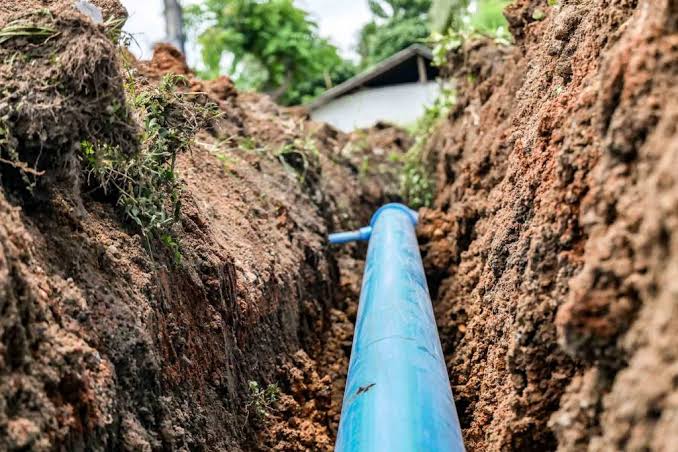
Conduit Installation Mistakes That Can Make You Fail Electrical Inspections
Your electrical system is the nervous system of your home or building, and electrical conduits play an important role in ensuring its safety and effective functioning. Considering how important they…
Your electrical system is the nervous system of your home or building, and electrical conduits play an important role in ensuring its safety and effective functioning. Considering how important they are, there is no room for error. From incorrect conduit sizing to poor support systems, what might seem like minor errors can lead to failed inspections, project delays, and major safety risks. In this post, let’s take a look at some of the metal and PVC conduit installation mistakes that can cause unnecessary blocks and what you can do to overcome them.
Why Proper Conduit Installation Matters
Proper installation of conduits is mandatory for safety and the smooth functioning of your electrical system. Conduits, whether they be metal or PVC, protect your electrical wiring from the elements and damage from animals. By providing this protection, the conduits facilitate compliance with building codes and help streamline future maintenance.
Common Conduit Installation Mistakes
Whether you’re working on a residential renovation or a large-scale construction project, even the smallest conduit installation mistake can lead to failed electrical inspections and other serious consequences. Some of the most common mistakes that can trigger these setbacks include:
- Incorrect sizing – when the conduit is not the right size, it can lead to tight or loose connections.
- Lack of sufficient support or spacing – Not using enough conduit straps or placing them too far apart can lead to sagging and breaks in the system.
- Poorly sealed joints – Failing to properly seal the joint will allow moisture, debris, and animals to infiltrate and damage the system.
- Improper bending techniques – When you use a torch rather than a bending spring or proper heat application, it can cause conduits to be flat, kinked, or cracked.
- Using incorrect materials – Mixing incompatible metal types or using conduits without the proper protections can result in the conduits being damaged under stress.
- Too many bends – When there are more than 360-degree bends between two pull points, pulling out wires becomes next to impossible.
The Consequences of Failed Electrical Inspections
A failed electrical inspection can have serious financial and safety consequences for homeowners, electricians, and contractors alike. Even minor conduit installation mistakes can result in the project being delayed, requiring you to bear additional material and labour costs, as well as submit to a costly re-inspection.
As a contractor, an improper installation can hurt your professional reputation. A homeowner may leave a negative review and would be unwilling to recommend your services to others.
Beyond the financial implications, improper conduit installation can be regarded as a major safety hazard. This is because the unsafe circumstances created can lead to all sorts of injuries.
How to Avoid Conduit Installation Problems
Here are some tips that can help you avoid conduit installation mistakes and the problems that can develop as a result of the faulty installation.
- Planning and preparation – Every project starts with careful planning. In this stage, calculate the proper sizes, plan wiring pathways, and gather the necessary tools and supplies.
- Prevent sagging – Use enough clamps and straps to hold the conduits firmly in place, especially when the wiring is on a long horizontal run.
- Manage bends – Make sure that the wiring path does not have excessive bends. Too many bends can damage the wires and make removing the wires for repairs incredibly difficult.
- Secure the joints – Use proper solvent-weld PVC joints or any other appropriate joints to seal openings and prevent separation.
- Work with an experienced electrician – A trusted and experienced electrician will take all the factors into consideration, identify potential problems, and install your conduits in a manner that complies with the relevant codes and standards.
Conclusion
Conduits are an important part of the overall safety mechanism of an electrical system. When mistakes are made during conduit installation, the negative outcomes that follow can be significant. Whether it’s a residential renovation or a bigger construction project, the importance of following proper procedure and using high-quality materials cannot be understated. If you’re looking for high-quality PVC conduits and other civil construction supplies, contact Convic today. Since 2011, we’ve been a trusted supplier of construction material for a number of industries across Australia. Explore our collection and find the right conduits for your electrical system.