
Most homeowners don’t wake up thinking about water quality. They think about coffee, getting the kids ready, washing a load of clothes, or trying to enjoy a shower before the day starts pulling them in five directions. Water is just there, doing its job in the background. At least, that’s how it feels.
But when the water in a home is too hard, too mineral-heavy, or carrying unwanted taste and odour, it slowly starts making itself known. Faucets collect white crusty buildup. Shower glass looks cloudy even after cleaning. Clothes feel a little rough. Hair doesn’t rinse quite right. None of it feels like a major disaster, but all of it becomes annoying in that everyday, quietly expensive kind of way.
Why Water Testing Should Come First
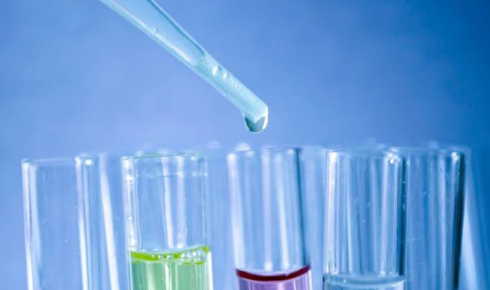
Before anyone spends money on equipment, filters, or treatment products, it makes sense to know what’s actually in the water. Guessing can lead to the wrong solution. A homeowner may think they need a basic filter when the real issue is hardness. Or they may blame hard water when sediment or chlorine is part of the problem.
That’s why a free water analysis can be such a useful first step. It gives homeowners a clearer picture of their water instead of relying on signs, smells, or internet guesses. A proper analysis can help identify hardness levels, minerals, and other concerns that may affect comfort, plumbing, and appliances.
The Everyday Signs of Hard Water
Hard water is one of those problems that doesn’t always look serious at first. You may notice spots on dishes, dull-looking fixtures, or soap that refuses to lather properly. Over time, though, minerals can build up inside pipes, water heaters, dishwashers, washing machines, and showerheads.
This buildup can reduce water flow, make appliances work harder, and shorten the life of household systems. It may also increase cleaning time because surfaces collect residue more quickly. Anyone who has scrubbed the same glass shower door three times in one week knows exactly how frustrating that gets.
Protecting the Home From the Inside
A good water treatment plan is not just about making water taste better. It’s also about protecting the systems that keep a home running. Plumbing, fixtures, and appliances all depend on steady, clean water flow. When minerals and scale are constantly moving through those systems, wear and tear can happen faster.
For many families, hard water protection becomes less of a luxury and more of a practical home-care decision. It can help reduce scale buildup, support appliance efficiency, and make daily cleaning feel less like a losing battle.
Why One Filter Is Usually Not Enough
A small filter on a faucet or inside a refrigerator can improve drinking water, but it doesn’t help the water used in showers, laundry, dishwashing, or water heaters. That’s the gap many homeowners miss.
Whole-home solutions treat water before it travels through the house. This means the benefits are not limited to one sink. Bathing, cooking, cleaning, and appliance use can all improve depending on the system installed.
Modern water conditioning systems are designed to address different water concerns based on the home’s needs. Some focus on softening. Others combine filtration, conditioning, and treatment for a more complete result. The best choice depends on water quality, family size, plumbing setup, and daily usage.
Comfort You Can Feel Every Day
Better water has a way of showing up in small moments. Towels feel softer. Soap rinses cleaner. Skin may feel less dry after a shower. Coffee tastes fresher. Dishes come out looking clearer. Even cleaning the bathroom may become easier because mineral deposits are reduced.
These little improvements may not sound dramatic, but they add up. A home becomes more comfortable when the water works with you instead of against you.
Choosing the Right Solution
Not every home needs the same system. A small household may require a different setup than a large family with multiple bathrooms and heavy daily water use. Some homes may need filtration first, while others may benefit most from softening or conditioning.
The right provider should test the water, explain the results clearly, and recommend equipment based on real needs rather than pushing the most expensive option. Installation quality matters too. Even a good system can perform poorly if it is not sized or installed correctly.
Maintenance is another piece of the puzzle. Filters need changing. Salt levels may need checking. Systems should be inspected from time to time. A reliable treatment plan should be simple enough for homeowners to manage without turning water care into another stressful chore.
A Small Upgrade With Long-Term Value
Water quality affects more than taste. It affects comfort, cleaning, plumbing, appliances, and the feel of daily routines. When homeowners understand what is in their water, they can make smarter choices and avoid spending money on solutions that don’t really fit.
Better water may not be the flashiest home improvement project, but it is one of the most useful. It works quietly, every single day, in ways you can see, feel, and appreciate. And sometimes, that’s exactly what a home needs.