The Quiet Signs Your Water Is Asking for Attention
Most people don’t think about their water until it starts behaving in strange ways. There’s rarely a dramatic warning. Instead, it begins with small, almost forgettable annoyances. Glassware comes out…
Most people don’t think about their water until it starts behaving in strange ways. There’s rarely a dramatic warning. Instead, it begins with small, almost forgettable annoyances. Glassware comes out of the dishwasher with cloudy spots. Soap doesn’t lather quite the way it used to. Faucets develop a faint white crust that stubbornly returns no matter how often you wipe it away.
At first, these things feel unrelated. You might blame your detergent, your appliances, or even the weather. But over time, those little clues start forming a pattern.
And eventually, it dawns on you: the issue isn’t what you’re using—it’s the water itself.
Why Water Quality Matters in Everyday Life
Water is something we interact with constantly without giving it much thought. It’s part of nearly every routine—from the coffee you make in the morning to the shower that helps you wind down at night.
But not all water is the same.
Depending on where you live, water may contain dissolved minerals, sediments, or trace impurities that affect both comfort and efficiency. Even when water meets safety standards, it can still create challenges that impact daily living.
The effects aren’t always obvious at first. They build gradually, showing up in ways that are easy to overlook until they become frustrating.
The Hidden Problem of Mineral Deposits
One of the most common water issues homeowners face is mineral hardness. When groundwater travels through soil and rock, it picks up calcium and magnesium along the way.
These minerals aren’t harmful to drink, but they can create noticeable problems in the home.
Over time, they form scale buildup inside pipes, appliances, and fixtures. This chalky residue can reduce water flow, increase energy consumption, and shorten the lifespan of equipment.
It’s a slow process, which is why many people don’t connect appliance inefficiency or rising utility bills to water quality until the damage is significant.
How Water Filtration Changes Daily Living
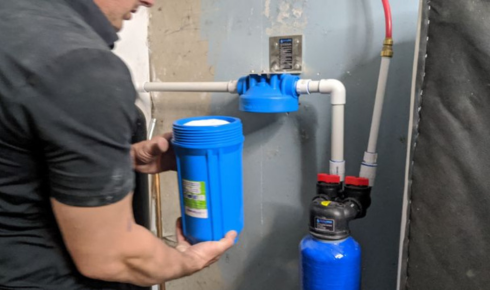
For many homeowners, improving water quality begins with comprehensive filtration systems designed to treat water at the point of entry into the home.
A properly installed whole house water filtration system works by removing sediments, chemicals, and impurities before water reaches your taps.
The benefits are often subtle but noticeable. Dishes dry without spots. Laundry feels softer. Cleaning becomes easier because soaps and detergents work more effectively.
And perhaps most importantly, filtered water helps protect plumbing systems from long-term damage caused by untreated contaminants.
The Everyday Comfort of Better Water
One of the most surprising things about improving water quality is how much it enhances daily comfort.
Showers feel more refreshing. Hair and skin may feel softer after bathing. Even simple tasks like washing your hands become more pleasant.
Many homeowners also notice a difference in taste when they have access to clean water for drinking and cooking.
Coffee and tea taste more natural. Fruits and vegetables rinse more thoroughly. Hydration becomes more enjoyable.
These changes may seem small individually, but together they create a noticeable shift in how your home feels.
Protecting Your Home and Saving Money
Beyond comfort, water treatment offers practical financial benefits.
Mineral deposits and impurities can cause appliances to work harder than necessary. Water heaters, washing machines, and dishwashers are particularly vulnerable to buildup that reduces efficiency.
By improving water quality, filtration systems help extend the lifespan of these appliances and reduce maintenance costs.
Over time, this can lead to significant savings that offset the initial investment in treatment systems.
Why Local Water Conditions Matter
Water quality varies widely depending on geography, infrastructure, and supply sources.
That’s why effective solutions often begin with professional testing to identify specific water characteristics.
Testing provides detailed insights into mineral levels, sediment presence, and potential contaminants.
With this information, homeowners can choose treatment systems tailored to their unique conditions rather than relying on generic solutions.
This personalized approach typically delivers better performance and long-term reliability.
The Emotional Side of Water Quality
We don’t often talk about how much environmental factors influence our sense of comfort at home.
But water quality plays a quiet role in daily well-being.
When water feels better—when it tastes fresher, cleans more effectively, and supports smoother routines—it reduces small frustrations that accumulate over time.
It’s one of those upgrades that doesn’t demand attention but gradually makes life easier in ways you can feel every day.
Taking the First Step Toward Better Water
For homeowners considering water treatment, the journey usually begins with a simple water test.
Testing provides a clear understanding of what’s in your water and what solutions will be most effective.
Working with experienced professionals ensures proper installation and ongoing support, helping systems perform reliably over the long term.
This combination of knowledge and technology creates lasting improvements in water quality.
A Quiet Improvement That Changes Everything
Unlike visible home upgrades, water treatment operates silently in the background.
You don’t see it working. You simply notice the results—cleaner dishes, softer laundry, more refreshing showers, and better-tasting drinking water.
Over time, these small improvements transform daily routines, creating a home environment that feels more comfortable, efficient, and supportive of your well-being.