
Most of us assume our water is fine. It’s clear, it doesn’t smell too strange, and it comes out of the tap just like it always has. So we drink it, cook with it, wash our clothes in it, and rarely stop to wonder what’s actually flowing through those pipes.
But water is complicated. It travels miles before reaching your home — through treatment plants, underground mains, aging infrastructure, and sometimes private wells. Along the way, it picks up minerals, sediments, and occasionally contaminants you can’t see, smell, or taste.
That’s why understanding your water quality isn’t just a technical step. It’s the starting point of making everyday life more comfortable, healthier, and surprisingly more efficient.
Why Water Quality Is Often Misunderstood
One of the biggest misconceptions about water is that clarity equals purity. If it looks clean, most people assume it must be safe and balanced. But water chemistry doesn’t work that way.
Hard minerals like calcium and magnesium are invisible. Chlorine used in treatment plants can leave a faint taste. Even trace contaminants can exist in tiny amounts without obvious signs.
These elements may not always pose immediate health risks, but they can affect plumbing systems, appliances, and long-term water usability.
Understanding what’s actually present in your water is the first step toward improving it.
The Value of Testing Before Making Changes
It’s tempting to jump straight into buying filters or treatment equipment. But without knowing what needs to be removed, homeowners can end up investing in systems that don’t address the real problem.
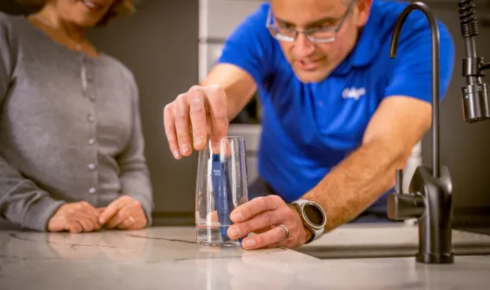
This is where a free water analysis becomes incredibly helpful. Professional testing evaluates mineral content, hardness levels, pH balance, and potential contaminants.
With accurate results, homeowners can make informed decisions about treatment solutions tailored to their specific needs.
Testing eliminates guesswork and ensures that any improvements target actual issues rather than assumed ones.
How Water Quality Affects Everyday Life
Poor water quality doesn’t just impact drinking habits. It quietly influences many aspects of daily routines.
Hard water can make soap less effective, leaving residue on dishes and clothing. Mineral buildup can clog pipes, reduce appliance efficiency, and increase maintenance costs.
Even skin and hair can feel the effects. Many people notice dryness, irritation, or dullness caused by mineral-heavy or chemically treated water.
Improving water quality often leads to noticeable changes in comfort, cleanliness, and overall home efficiency.
Solutions Designed for Home Environments
Once water quality issues are identified, treatment options can be customized to fit specific household needs.
Modern residential products include water softeners, filtration systems, and advanced purification technologies designed for daily use.
These solutions help reduce mineral buildup, improve taste, and protect plumbing infrastructure.
For homeowners, the benefits extend beyond health — they include longer appliance lifespan, reduced maintenance costs, and improved cleaning efficiency.
A well-designed home water system becomes an invisible asset supporting daily life.
Water Quality Challenges in Business Settings
Water quality isn’t just a residential concern. Commercial environments face unique challenges due to higher water usage and stricter operational requirements.
Restaurants, hotels, manufacturing facilities, and healthcare settings all rely on consistent water quality for safety and efficiency.
Specialized commercial products are designed to handle large-scale treatment needs, ensuring compliance with health regulations while maintaining system reliability.
In business environments, water quality directly affects productivity, customer satisfaction, and operational costs.
The Financial Impact of Untreated Water
Ignoring water quality issues often leads to long-term financial consequences. Hard water can shorten appliance lifespan, increase energy consumption, and cause frequent plumbing repairs.
Filtration problems can result in scale buildup inside water heaters, reducing efficiency and increasing utility bills.
Investing in proper treatment solutions helps prevent these expenses while improving overall system performance.
Preventive care often proves far more economical than repeated repairs.
The Emotional Benefits of Reliable Water Quality
Beyond financial and functional advantages, improved water quality offers peace of mind.
Knowing that your drinking water is clean, your appliances are protected, and your plumbing system is functioning efficiently reduces daily stress.
Reliable water quality supports healthier routines and creates confidence in something we depend on constantly but rarely think about.
Comfort often comes from stability in essential resources.
Choosing the Right Approach to Water Treatment
Every water system is unique, which is why personalized assessment is so important. Factors such as location, source type, and household usage patterns influence treatment needs.
Professional guidance helps homeowners select appropriate solutions without overspending on unnecessary equipment.
Combining testing, tailored treatment, and regular maintenance ensures consistent long-term results.
Effective water management requires both knowledge and strategy.
Simple Habits That Support Better Water Quality
In addition to installing treatment systems, homeowners can adopt practices that help maintain water quality over time.
Practical steps include:
- Replacing filtration cartridges regularly
- Flushing water heaters to remove sediment
- Monitoring water pressure levels
- Scheduling periodic plumbing inspections
These habits help maintain system efficiency and prevent unexpected issues.
Consistency plays a key role in long-term water quality.
A Final Thought: Understanding Before Improving
Water plays a silent but essential role in everyday life. It supports health, comfort, and countless household routines without drawing attention.
But improving water quality begins with understanding what’s already there.
By starting with accurate testing, selecting appropriate treatment solutions, and maintaining systems properly, homeowners and businesses can ensure their water supports them in the best possible way.
Because ultimately, better water isn’t just about purity.
It’s about creating a more reliable, comfortable, and confident daily experience — one where the resource you depend on most works quietly and effectively in the background.