
There’s a funny thing about comfort at home—it’s often shaped by things we can’t see. We think about décor, furniture, lighting, maybe even temperature. But rarely do we stop and consider the invisible elements quietly shaping our daily lives: the air we breathe and the water we use.
Most of the time, they fade into the background. They’re expected to be fine. Reliable. Safe. But when something feels off—a strange taste in drinking water or stuffy indoor air—you suddenly realize how much these unseen essentials influence your well-being.
Improving them isn’t about luxury. It’s about creating an environment that quietly supports everyday health and comfort.
Why Indoor Environments Affect Us More Than We Realize
Modern homes are designed to be sealed and energy efficient. While this reduces energy loss, it also means indoor air and water systems operate in a closed environment.
This can lead to the gradual accumulation of airborne particles, chemical residues, and mineral contaminants. Because these changes happen slowly, most people adapt without noticing the impact immediately.
Yet over time, these factors can affect hydration habits, respiratory comfort, and even appliance performance.
Understanding this connection is the first step toward creating a healthier living space.
The Role of Water Quality in Daily Life
Water is one of the most frequently used resources in any household. It supports drinking, cooking, cleaning, bathing, and countless daily tasks.
Despite its importance, many homeowners don’t think about water quality until something draws attention to it—such as unpleasant taste, odor, or mineral residue.
Even when water meets safety standards, it may still contain elements that affect taste, efficiency, and long-term plumbing performance.
Improving water quality enhances not only safety but also overall comfort in daily routines.
How Advanced Filtration Improves Drinking Water
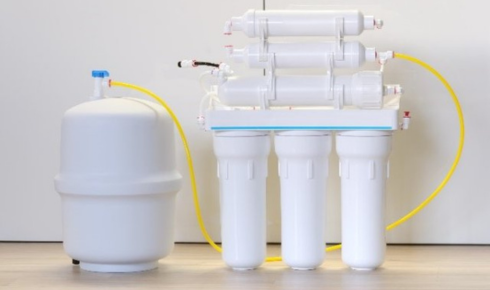
One of the most effective ways to enhance household water is through reverse osmosis systems.
These filtration technologies use specialized membranes to remove dissolved impurities, heavy minerals, and certain contaminants that traditional filters may not address.
The result is water that tastes cleaner and feels lighter, encouraging better hydration habits.
Many households also notice improved cooking outcomes, clearer beverages, and reduced buildup in appliances.
This type of filtration creates a reliable foundation for consistent water quality.
The Importance of Clean Indoor Air
While water quality receives attention, indoor air conditions are often overlooked.
Yet the air inside homes can contain dust, allergens, pet dander, and microscopic particles that influence respiratory health.
This is where air purification systems provide meaningful benefits.
By removing airborne contaminants, these systems help create fresher indoor environments. They can reduce allergy symptoms, improve sleep comfort, and enhance overall well-being.
Cleaner air also contributes to a calmer, more pleasant home atmosphere.
The Emotional Value of a Healthier Living Space
Improving air and water quality doesn’t just support physical health—it also affects emotional comfort.
There’s a subtle reassurance that comes from knowing your home environment is safe and balanced.
When water tastes clean and air feels fresh, everyday routines feel smoother. You worry less about hidden issues and focus more on enjoying daily life.
This quiet peace of mind often becomes one of the most appreciated outcomes of environmental improvements.
Long-Term Benefits for Appliances and Infrastructure
Beyond personal comfort, better air and water conditions also protect household systems.
Improved water filtration reduces mineral buildup in plumbing, extending the lifespan of appliances like dishwashers, water heaters, and washing machines.
Cleaner air reduces dust accumulation in HVAC systems, improving efficiency and reducing maintenance needs.
These benefits contribute to long-term cost savings while supporting consistent performance.
Choosing the Right Solutions for Your Home
Every home has unique environmental conditions based on location, water sources, and construction design.
Professional testing can help identify specific concerns and determine which systems provide the most effective improvements.
Some households benefit from whole-home solutions, while others may prefer targeted installations for drinking water or specific living areas.
Tailoring solutions ensures optimal results and avoids unnecessary expenses.
A Balanced Approach to Health and Comfort
Improving indoor environments doesn’t require dramatic changes.
Small adjustments—like installing filtration systems or maintaining ventilation—can create meaningful improvements over time.
These changes quietly support daily routines without disrupting familiar lifestyles.
They work behind the scenes, much like the air and water they enhance.
The Quiet Foundation of Everyday Well-Being
It’s easy to focus on visible aspects of home comfort while overlooking the invisible essentials.
Yet air and water quality shape nearly every moment of daily life—from morning coffee to evening relaxation.
Investing in these unseen elements creates a foundation for long-term health, comfort, and reliability.
Because sometimes, the most powerful improvements aren’t the ones you can see.
They’re the ones you feel every day, without even realizing why life just seems a little easier, a little fresher, and a lot more comfortable.