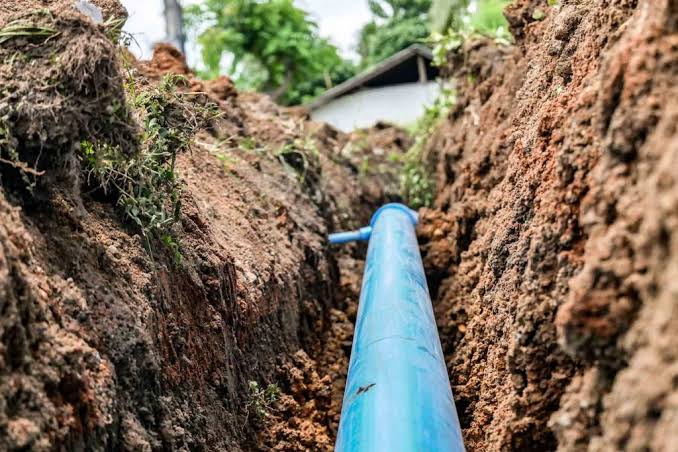
Cleaner Water, Fewer Everyday Worries: Choosing the Right Water Treatment System in Knoxville
Water quality affects more of our daily lives than we might realize. From the coffee we drink in the morning to the equipment businesses depend on throughout the day, water…

Water quality affects more of our daily lives than we might realize. From the coffee we drink in the morning to the equipment businesses depend on throughout the day, water plays a remarkably important role. Yet most people don’t give it much thought until they encounter unpleasant odors, cloudy water, or stubborn stains that refuse to disappear.
For homeowners considering whole house filtration, treating water as it enters the property can be a practical way to address specific concerns across multiple faucets and fixtures rather than relying on individual filters.
Of course, every property has different requirements. Understanding your water source, identifying potential problems, and selecting suitable treatment equipment can make a meaningful difference to both water quality and everyday convenience.
Why Businesses Should Pay Attention to Water Quality
Water is an essential part of daily operations for many Knoxville businesses. Restaurants rely on it for cooking and preparing beverages, hotels need it for laundry and guest facilities, and manufacturing businesses may depend on consistent water quality for equipment performance.
Investing in appropriate commercial water treatment can help businesses address specific water quality concerns while supporting operational efficiency and reducing certain equipment maintenance problems.
Mineral deposits, for instance, can accumulate inside water heaters, coffee machines, and other water-using equipment. Over time, these deposits may contribute to reduced performance and additional servicing expenses.
Business owners should consider peak water demand, operating hours, available installation space, and ongoing maintenance costs when choosing equipment.
The cheapest system isn’t always the most economical choice in the long run, particularly if it struggles to meet daily operational demands.
Understanding the Unique Challenges of Private Wells
Living on a property with a private well offers a degree of independence, but it also comes with additional responsibilities.
Unlike municipal water supplies, private wells generally require property owners to take responsibility for monitoring their water quality and arranging appropriate treatment.
Effective well water treatment begins with understanding what the water contains. Common concerns can include iron, manganese, sediment, hardness, sulfur-related odors, and potentially harmful microorganisms.
However, clear water with no noticeable odor isn’t necessarily safe to drink. Certain contaminants cannot be identified through appearance or taste alone.
Regular laboratory testing helps homeowners identify potential problems and select treatment equipment suited to their particular circumstances.
Depending on the findings, a property may benefit from specialized filtration, softening, disinfection, or a combination of treatment methods.
How Whole-Home Water Filtration Makes Everyday Life Easier
Imagine discovering sediment in your bathroom faucet despite having a perfectly good drinking water filter in the kitchen. It’s frustrating, especially when the problem affects several areas of the house.
A point-of-entry filtration system treats incoming water before distributing it throughout the property.
Depending on the technology selected, these systems can reduce suspended particles, chlorine taste and odor, or other specific substances.
This approach can be particularly useful for households experiencing water quality concerns in multiple rooms.
However, not every filtration system addresses dissolved minerals or microorganisms. Selecting equipment based on verified performance claims is important.
In some situations, combining central filtration with a dedicated drinking water system provides a more suitable solution than relying on either approach alone.
Recognizing When Your Water Needs Attention
Water quality problems often reveal themselves through small, recurring inconveniences.
Orange or reddish stains around bathroom fixtures could indicate iron. White deposits on showerheads may suggest hard water, while an unpleasant rotten-egg smell can sometimes be associated with hydrogen sulfide.
These signs provide useful clues, but they aren’t a substitute for proper testing.
Even changes in water pressure can warrant investigation, although plumbing problems and clogged equipment may also be responsible.
Rather than repeatedly purchasing cleaning products or replacing inexpensive faucet filters, consider investigating the underlying issue.
Getting to the root of the problem is usually more productive than constantly dealing with its symptoms.
Choosing Equipment That Fits Your Property
It’s easy to become overwhelmed by the sheer number of water treatment products available.
Start with the basics. How much water does your property use? What concerns have been identified through testing? Is there sufficient space for the proposed equipment?
A smaller household might require a considerably different system from a busy restaurant or a large residential property.
Water pressure, plumbing arrangements, and drainage access also deserve consideration.
Ask about installation requirements and whether additional equipment will be necessary. Understanding the complete setup helps prevent unexpected expenses.
A thoughtfully selected system should address genuine water quality concerns without introducing unnecessary complexity into your daily routine.
The Importance of Keeping Treatment Systems Maintained
Even high-quality treatment equipment needs occasional attention.
Filter cartridges become exhausted, softeners require replenishment of regenerating materials, and disinfection equipment may need periodic servicing.
Putting off maintenance can gradually affect performance, leaving property owners wondering why familiar water problems have returned.
Keep a simple record of filter replacements, inspections, and water testing results.
Businesses may benefit from establishing scheduled maintenance arrangements to minimize interruptions during operating hours.
For private well owners, regular testing remains important even after installing treatment equipment.
A dependable system is one that continues to perform as intended, not simply one that worked well on installation day.
Making a Long-Term Investment in Better Water
Improving water quality is ultimately about making everyday life more comfortable and manageable.
For Knoxville homeowners, that might mean fewer mineral deposits, more enjoyable drinking water, or less frustration when cleaning bathroom fixtures. For businesses, it could mean more consistent water quality and better protection for water-dependent equipment.
Start with reliable testing, choose treatment methods carefully, and establish a manageable maintenance routine.
Water is something we depend on every single day. Giving its quality the attention it deserves can bring practical benefits that continue long after the initial installation.