
Most of us don’t think about water until something feels off.
Maybe it’s the chalky residue on your shower door that never quite scrubs away. Maybe your coffee tastes slightly metallic some mornings. Or maybe your washing machine seems to be aging faster than it should.
Water is one of those things we assume is handled. Turn the tap, fill the glass, move on with the day. But behind that simple action is an entire network of systems — both inside and outside your home — quietly doing their job.
And when they’re not optimized, you notice.
When Hard Water Starts Running the Show
If you’ve ever battled soap that won’t lather or glassware that comes out of the dishwasher spotted and dull, you’re likely dealing with mineral-heavy water. Hard water contains elevated levels of calcium and magnesium. It’s common in many regions and, while not harmful to drink, it can cause daily annoyances.
That’s where thoughtful hard water solutions come into the picture.
Water softeners are the most familiar approach. They replace hardness minerals with sodium or potassium ions, reducing scale buildup in pipes and appliances. Over time, that can extend the life of your water heater and improve the efficiency of dishwashers and washing machines.
But beyond appliances, the difference is personal. Softer water can feel gentler on skin and hair. It can make cleaning less of a chore.
If you’ve ever spent an afternoon scrubbing mineral deposits off faucets, you understand the appeal.
The Bigger Picture: What Happens After the Drain
Water doesn’t just enter your home — it leaves it too. And how it leaves matters.
Few homeowners consider the role of wastewater systems until there’s a problem. But these systems quietly manage everything from shower runoff to flushed toilets. Whether your home is connected to municipal sewer lines or relies on a septic system, proper function is critical.
Neglecting maintenance can lead to unpleasant surprises. Slow drains, unpleasant odors, or worse.
Regular inspections and responsible water use make a difference. Avoiding harsh chemicals and being mindful of what goes down the drain supports system longevity.
It’s not glamorous, but it’s essential.
Treating Water at the Source
Sometimes the issue isn’t just hardness or wastewater management — it’s overall quality.
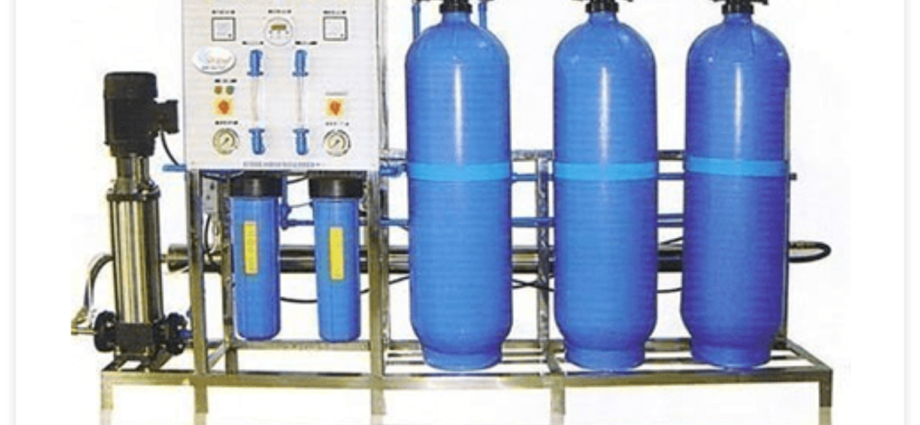
For homeowners seeking broader protection, whole house filtration systems offer a comprehensive approach. Installed at the main water line, these systems treat water before it reaches any faucet.
They can reduce chlorine taste and odor, capture sediment, and in some cases filter certain contaminants depending on the configuration.
The benefit? Consistency.
You’re not just improving drinking water at the kitchen sink. You’re enhancing water for showers, laundry, and even outdoor use.
If you’ve ever noticed skin irritation after bathing or strong chlorine smells in tap water, filtration might be worth exploring.
Testing Before Guessing
It’s tempting to jump straight into solutions. But testing should come first.
Professional water testing identifies mineral levels, chlorine content, pH balance, and potential contaminants. With that information, decisions become more strategic.
Without testing, you’re guessing.
And water systems aren’t one-size-fits-all. What works for one household might be unnecessary for another.
Maintenance: The Overlooked Factor
Even the best system won’t perform well without upkeep.
Water softeners require salt refills. Filtration systems need periodic filter replacements. Septic systems benefit from routine pumping and inspection.
Ignoring maintenance doesn’t just reduce effectiveness — it shortens system lifespan.
Set reminders. Schedule inspections. Treat water systems the same way you treat HVAC or roofing — as integral parts of your home’s infrastructure.
Long-Term Impact
Upgrading water systems isn’t just about immediate comfort. It’s about long-term savings and protection.
Reduced scale buildup extends appliance life. Proper wastewater management prevents costly repairs. Effective filtration can reduce bottled water reliance.
Over time, these incremental benefits compound.
And there’s something satisfying about knowing your home’s water is working for you rather than against you.
The Subtle Comfort of Better Water
The improvements water treatment brings are often subtle.
Towels feel softer. Showers feel smoother. Dishes come out cleaner. Coffee tastes clearer.
It’s not a dramatic transformation. It’s a steady, consistent upgrade to everyday life.
And because water touches nearly every daily activity, small improvements ripple outward.
Final Thoughts: Pay Attention to What Flows Through Your Home
Water is easy to overlook precisely because it’s constant.
But when you pause and evaluate what’s entering and exiting your home, you gain control over comfort, efficiency, and longevity.
Whether addressing mineral buildup, maintaining wastewater infrastructure, or investing in filtration, thoughtful decisions pay off.
You don’t need every system available. You just need the right one for your home.
Because when your water works well, you rarely think about it.
And maybe that’s the point.