Choosing the Right Water Treatment System for a Healthier Home
There’s something reassuring about turning on the kitchen tap and filling a glass without giving it a second thought. Water is part of nearly everything we do, from making morning…
There’s something reassuring about turning on the kitchen tap and filling a glass without giving it a second thought. Water is part of nearly everything we do, from making morning tea to washing vegetables and taking a shower after a long day. Yet the quality of that water can vary considerably, even between homes in the same neighbourhood.
Sometimes the signs are obvious. You might notice a strange taste, stubborn mineral deposits around the taps, or cloudy water collecting in a bucket. Other times, unwanted contaminants are present without changing the water’s appearance at all. That’s why understanding your household water supply matters, especially when you’re considering a treatment system.
The right solution doesn’t have to be complicated or expensive. It starts with knowing what you want to improve and choosing equipment that genuinely addresses the problem.
Understanding What Comes Through Your Tap
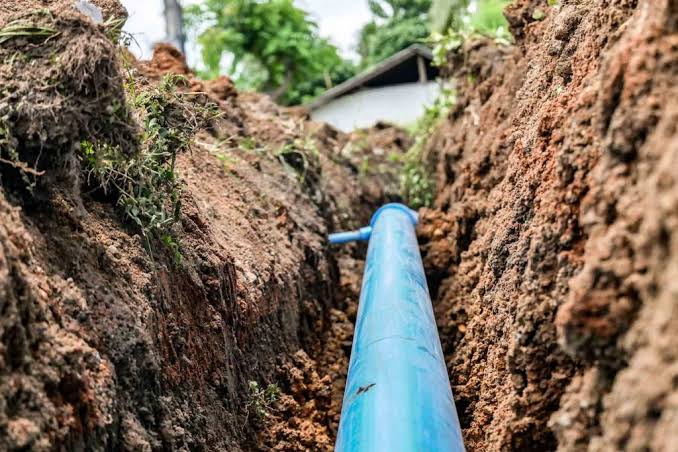
Household water comes from different sources, including municipal supplies, groundwater, borewells, and private wells. Each source has its own characteristics, and local conditions can make a surprising difference.
Municipal water is generally treated before reaching homes, but its quality can still be affected by ageing pipes, building plumbing, or poorly maintained storage tanks. Groundwater may contain naturally occurring minerals such as calcium, magnesium, iron, and fluoride. Depending on the location, other contaminants may also require attention.
It’s tempting to judge water by taste or appearance. After all, if it looks clear and smells fine, surely it must be okay? Unfortunately, that’s not always the case. Certain dissolved chemicals and microorganisms cannot be detected reliably by sight, smell, or taste.
A sensible first step is to understand your water source and identify any known concerns. Once you have that information, selecting a treatment system becomes much easier.
Why Whole-Home Filtration Can Be Worth Considering
Imagine stepping into the shower and noticing an unpleasant chlorine smell, or finding sediment collecting around plumbing fixtures. These problems can affect several parts of the house, not just the kitchen sink.
Whole-home filtration treats water as it enters the property, allowing filtered water to reach multiple outlets, depending on the system’s design. This can be useful when the goal is to reduce sediment, chlorine, or other specific substances throughout the home.
A sediment filter, for example, can capture particles such as sand, rust, and suspended debris. Activated carbon may help reduce chlorine-related tastes and odours. Some specialised systems are designed to address additional contaminants, but their performance depends on the technology and the substances involved.
There is an important distinction here: whole-home filtration doesn’t automatically make every drop of water safe to drink. A standard sediment or carbon filter won’t necessarily remove dissolved salts, heavy metals, or harmful microorganisms. For those concerns, a different treatment method may be needed.
Installation also deserves a little thought. A whole-house unit must be appropriately sized for the property’s water demand. If the filter is too restrictive, household water pressure may suffer, particularly when several taps or showers are running together.
Before investing, check the manufacturer’s performance claims, replacement schedules, and ongoing costs. A system that looks affordable initially can become expensive if its cartridges are difficult to source or require frequent replacement.
Water Testing: The Step People Often Skip
It’s easy to become distracted by product advertisements promising cleaner, fresher, or healthier water. But buying equipment before identifying the actual problem is a bit like taking medicine without knowing what you’re treating.
Reliable water testing helps establish which contaminants or water-quality characteristics need attention. Depending on your source and location, testing may include hardness, pH, total dissolved solids, microbial contamination, nitrate, fluoride, arsenic, iron, or other locally relevant substances.
Not every household needs every possible test. Municipal customers can begin by reviewing their supplier’s water-quality information, while people relying on borewells or private wells should consider a testing programme suited to local groundwater risks.
For important health-related concerns, use a qualified laboratory rather than relying entirely on inexpensive home kits. A laboratory can provide more dependable results for many contaminants and help explain what the findings mean.
Suppose your report shows high water hardness but no identified microbial contamination. A softener may help with scale and soap performance, while a disinfection system might not be necessary. If testing identifies a particular dissolved contaminant, however, you’ll need a treatment method specifically suited to reducing it.
Testing turns a vague concern into a practical plan. It can also prevent you from spending money on equipment that doesn’t solve your problem.
When Reverse Osmosis Makes Sense
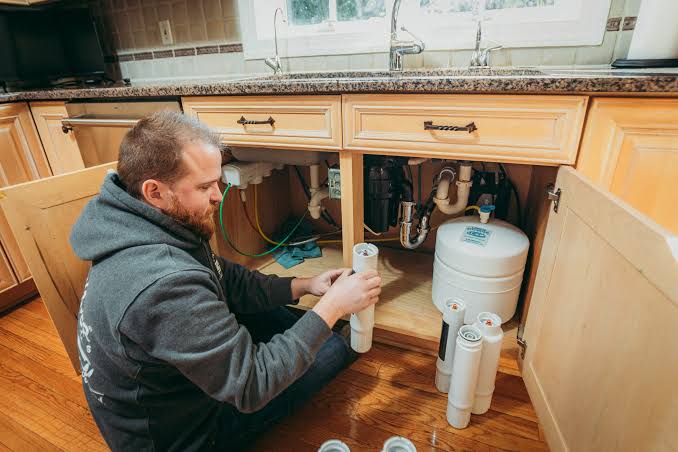
Reverse osmosis, commonly called RO, is widely used in drinking-water systems. It works by pushing water through a semipermeable membrane that separates much of the dissolved material from the treated water.
A properly selected reverse osmosis system can reduce many dissolved contaminants, including certain salts, metals, and other substances, depending on its design and certification. This makes it useful when water testing reveals a need for that level of treatment.
However, RO isn’t automatically the best option for every household. If your water already meets relevant drinking-water standards and your main complaint is chlorine taste, a suitable carbon filter may be sufficient. Installing RO in that situation could add unnecessary expense and maintenance.
RO systems also have practical drawbacks. Many produce wastewater during operation, and their membranes and prefilters need periodic replacement. Water pressure, feed-water quality, and the specific system design affect performance. Some systems include remineralisation stages, but these features don’t replace the need to verify contaminant reduction.
The important thing is to choose an RO unit based on documented performance rather than the number of stages advertised on the box. More stages don’t automatically mean better water.
Matching the Technology to Your Needs
Different water problems call for different solutions. There isn’t one treatment system that reliably handles everything.
If your main issue is hard water, a conventional ion-exchange softener may reduce calcium and magnesium. If sediment is clogging fixtures, a properly sized sediment filter could be the straightforward answer. For unpleasant chlorine taste, activated carbon may help. When testing identifies a contaminant that requires more intensive treatment, an appropriately certified RO or disinfection system may be worth considering.
Sometimes, combining technologies makes sense. A home might use sediment filtration at the main supply and a separate RO unit at the kitchen sink. Another property with significant hardness may benefit from a softener alongside targeted drinking-water treatment.
Consider maintenance before making a final decision. Filters need changing, storage tanks need cleaning, and treatment equipment should be inspected according to the manufacturer’s instructions. Neglected equipment can perform poorly, even when the original product was excellent.
It’s also worth asking about installation support and the availability of replacement parts. Reliable servicing often matters more over the long term than an impressive list of features.
Making Water Quality Part of Everyday Home Care
Water treatment doesn’t end once the equipment is installed. Keep household storage tanks clean, maintain plumbing, and replace consumables according to the recommended schedule. If your water source changes or contamination is suspected, arrange additional testing rather than assuming your existing system will handle the new problem.
Pay attention to sudden changes in colour, taste, or odour, too. These changes don’t always indicate a serious hazard, but they deserve investigation, especially if several people in the household notice them.
Most importantly, remember that treated water should be appropriate for its intended use. Water for bathing, laundry, and drinking may have different treatment requirements, depending on the problem being addressed.
Better Water Begins With an Informed Decision
A good water treatment system should make everyday life easier, not create another expensive household problem. Whether you’re considering a whole-home filter, a softener, or an advanced drinking-water unit, start with evidence rather than assumptions.
Understand your water source, test when appropriate, compare verified product capabilities, and account for maintenance costs. These simple steps help you choose equipment that fits your home instead of paying for features you may never need.
Clean, dependable water is worth taking seriously. And often, the smartest improvement isn’t the biggest system on the market. It’s the one that solves the right problem, works reliably, and gives you confidence every time you turn on the tap.