The Quiet Shift Toward Better Water at Home
There’s a moment — small, almost forgettable — when people begin to question their water. Not in a dramatic, “something’s wrong” kind of way. It’s quieter than that. Maybe the…
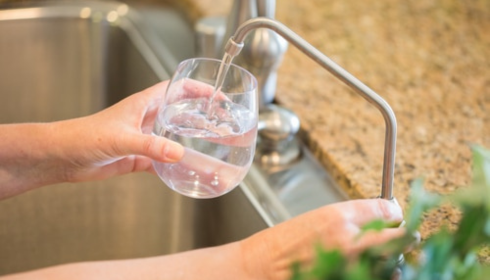
There’s a moment — small, almost forgettable — when people begin to question their water. Not in a dramatic, “something’s wrong” kind of way. It’s quieter than that. Maybe the tea tastes slightly off. Maybe your skin feels a bit tighter after a shower. Or maybe, you just start wondering if the water you rely on every day is actually doing you any favors.
Most of us don’t grow up thinking about water quality. It’s just there. Reliable, convenient, invisible in its importance. But over time, especially when you settle into your own space, you begin to notice things. Subtle inconsistencies. Little discomforts that don’t have obvious explanations.
And that’s usually where the curiosity begins.
When Water Stops Feeling “Neutral”
Water, ideally, should feel neutral. No smell, no taste that lingers, no after-effects. But in reality, it often carries traces of the journey it took to reach your tap — minerals, treatment chemicals, sometimes even microscopic contaminants.
You don’t always see it, but you feel it.
There was a friend of mine who swore something was wrong with his morning routine. Same coffee beans, same method, yet the taste kept changing. Turns out, it wasn’t the coffee at all — it was the water. Once he switched to reverse osmosis drinking systems, the difference was immediate. Not dramatic in a flashy way, just… cleaner. More consistent.
That’s the thing. Good water doesn’t shout. It just quietly improves everything it touches.
Understanding What Your Water Is Trying to Tell You
It’s easy to dismiss small signs. A little scaling on faucets, a faint chlorine smell, soap that doesn’t quite lather right. But these are often clues — your home’s way of saying something isn’t quite aligned.
And before jumping into solutions, it helps to pause and ask the right questions. What exactly is in your water? Is it hard water? Is it carrying excess sediment or chemicals?
This is where water problem diagnosis becomes more important than people realize. Without understanding the root issue, it’s easy to invest in systems that don’t quite fix the problem. Kind of like buying an expensive umbrella when what you really needed was a raincoat.
Testing your water — even with a simple kit — can shift your perspective. Suddenly, those small annoyances start making sense. And once you see the full picture, your choices become clearer.
More Than Just Drinking: The Everyday Impact
We often reduce water quality to what we drink, but that’s only part of the story. Think about how often water interacts with your life beyond a glass.
It’s in your morning shower. In the clothes you wear. In the meals you cook. Even in the way your skin feels at the end of a long day.
Poor water quality can quietly influence all of that. Hair becomes dull. Fabrics wear out faster. Appliances lose efficiency. And while none of these things scream “urgent,” they do chip away at comfort over time.
That’s why many homeowners start exploring broader, more integrated approaches — not just fixing one tap, but improving the overall experience.
In that context, people often talk about healthy water solutions. Not in a technical sense, but as a mindset. A way of thinking about water as part of your well-being, not just a utility.
Finding the Right Fit (Because There Isn’t Just One)
One of the more surprising things about water treatment is how personal it is. Two homes in the same neighborhood can have slightly different needs. Plumbing systems vary. Usage habits differ. Even preferences — like taste — come into play.
Some people prioritize drinking water above all else. Others are more concerned about protecting appliances or improving skin and hair health. There’s no universal checklist that works for everyone.
And honestly, that’s a good thing.
It means you’re not stuck with a one-size-fits-all approach. You can build a solution that aligns with your priorities. Maybe it’s a compact system under the sink. Maybe it’s something more comprehensive that treats water throughout the home.
What matters is intention — choosing something because it fits your life, not because it’s trendy or heavily marketed.
The Subtle Benefits You Don’t Expect
What often surprises people isn’t the immediate improvement — it’s the gradual, almost unnoticed changes that follow.
You might find yourself using less soap because it lathers better. Or noticing that your dishes come out cleaner, without spots. Maybe your skin feels less dry, especially during colder months.
These aren’t life-changing moments in isolation. But together, they add up to something meaningful. A sense of ease. A quiet comfort that becomes part of your daily rhythm.
And perhaps that’s the real value of improving your water. Not the technical specifications or the features, but the way it subtly enhances your environment.
A Different Way to Think About Water
At some point, the conversation shifts. Water stops being something you simply use and becomes something you pay attention to.
Not obsessively — just mindfully.
You start noticing how it behaves. How it tastes. How it feels. And once you reach that point, it’s hard to go back to not caring at all.
Because water, in many ways, is the backdrop of our lives. It’s there in the quiet moments — the early morning routines, the late-night cups of tea, the everyday tasks we barely think about.
Improving it doesn’t require a complete overhaul or a massive investment. Sometimes, it just starts with awareness. With asking a few questions. With being open to the idea that something so simple can still be improved.
And when you do make that shift, even in a small way, it has a way of staying with you. Not loudly, not dramatically — just consistently, day after day.
Which, if you think about it, is exactly how good water should be.