When Your Tap Water Doesn’t Feel Quite Right: A Practical Guide to Improving It at Home
There’s a certain trust we place in our tap water. We turn the handle, fill a glass, and assume it’s fine. Most of the time, it is. But sometimes you…
There’s a certain trust we place in our tap water. We turn the handle, fill a glass, and assume it’s fine. Most of the time, it is. But sometimes you notice small things that make you pause. A faint metallic taste. White spots on dishes that won’t scrub away. Soap that refuses to lather properly no matter how much you use.
It’s rarely dramatic. It’s just… inconvenient. And those inconveniences tend to pile up.
The good news? You’re not stuck with whatever flows through your pipes. Understanding what’s going on — and knowing your options — makes a big difference.
The Subtle Signs of Water Trouble
Water problems don’t usually announce themselves loudly. They whisper. A chalky film on your shower door. Laundry that feels stiff. Coffee that tastes slightly off.
In many homes, these are classic signs of hard water issues. Hard water contains elevated levels of calcium and magnesium. These minerals aren’t harmful in moderate amounts, but they leave behind scale buildup over time.
Scale can coat heating elements in water heaters, clog pipes, and reduce the lifespan of appliances. It can also make cleaning more frustrating than it needs to be. You scrub more. You use more detergent. You replace fixtures sooner than expected.
If any of this sounds familiar, you’re not imagining it. Hard water is common — especially in areas with mineral-rich groundwater.
Understanding Your Water Before You Fix It
Before jumping into any equipment purchase, it’s worth testing your water. Many municipalities publish annual water quality reports. Private well owners can order lab tests for a detailed breakdown.
Testing tells you what you’re dealing with. Hardness levels. Chlorine content. Trace metals. Sediment. Without that information, you’re essentially guessing — and guessing can lead to overspending or buying the wrong solution.
Clarity leads to smarter decisions.
When Taste and Purity Become the Focus
For some homeowners, hardness isn’t the primary concern. It’s taste.
Municipal water is disinfected with chlorine to ensure safety, but that can leave behind a noticeable flavor or smell. In older neighborhoods, aging pipes may introduce trace amounts of metals. Even small variations can affect how water tastes in coffee, tea, or even plain ice cubes.
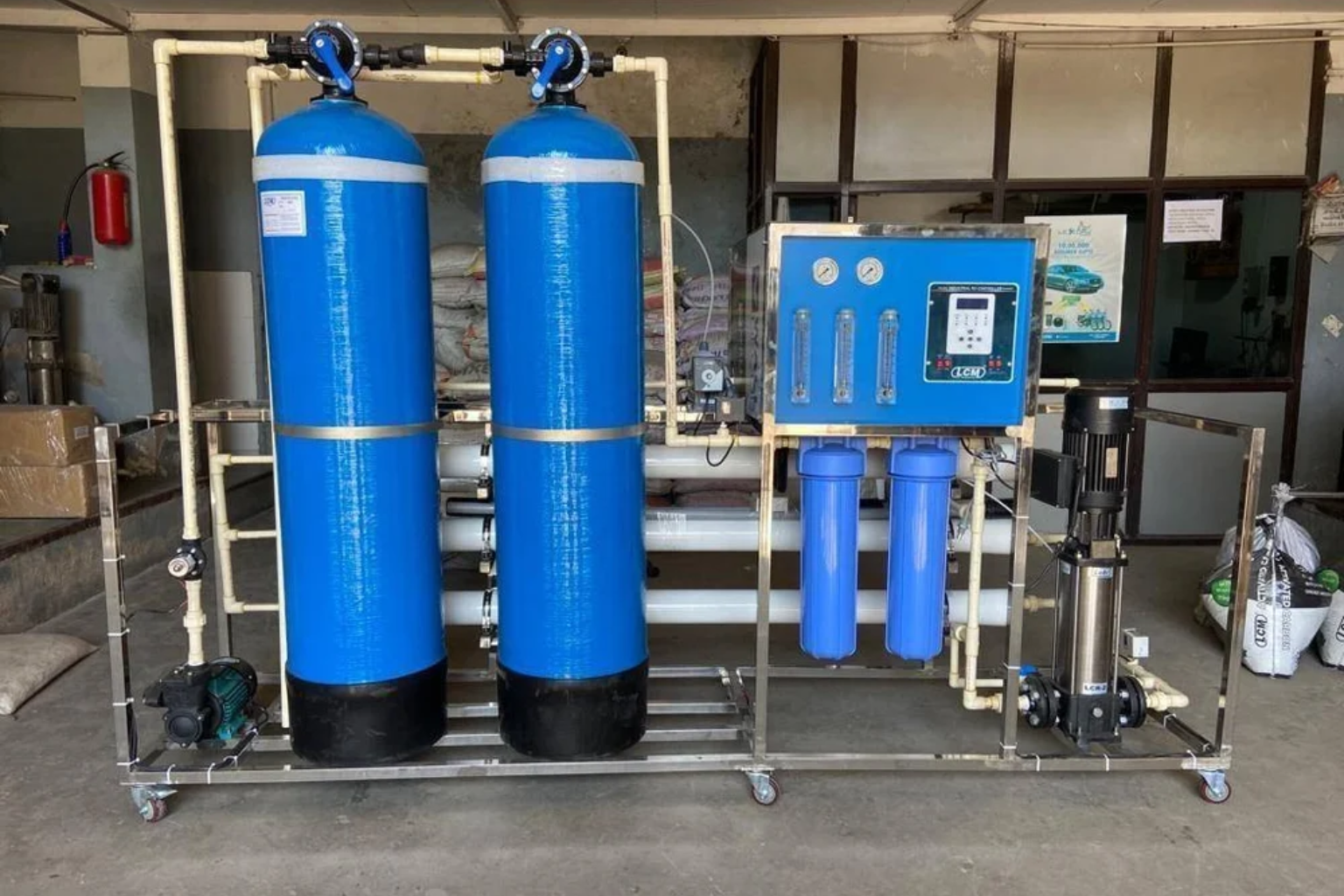
This is where reverse osmosis systems often enter the conversation. These systems use a semi-permeable membrane to remove a broad range of dissolved solids and impurities. They’re typically installed under the kitchen sink and connected to a dedicated faucet.
The difference can be subtle but meaningful. Water tastes cleaner. Ice cubes lose that faint chemical edge. For families who drink a lot of water daily, the upgrade feels worthwhile.
But again, it’s not for everyone. If your water quality is already strong, a simpler carbon filter might suffice.
Choosing the Right Drinking Setup
There’s no single best solution for every home. Some households benefit from point-of-use filters installed at the sink. Others prefer whole-house systems that treat water before it enters the plumbing network.
When exploring drinking water solutions, think about your priorities. Are you mainly concerned with taste? Mineral buildup? Potential contaminants? A combination?
If your main frustration is scale in appliances and showerheads, a water softener might be more appropriate than an RO system. If taste and purity are your focus, filtration at the kitchen tap could be enough.
Sometimes, a layered approach works best — softening for the entire home and filtration for drinking water specifically.
The key is alignment. Match the solution to the problem.
Maintenance: The Reality Check
Every water treatment system requires upkeep. Softeners need salt refills. Filters must be replaced on schedule. Membranes eventually wear out.
This isn’t a flaw — it’s simply how these systems function. Ignoring maintenance reduces effectiveness. Setting reminders or choosing systems with indicator alerts can help.
It’s similar to maintaining a car. A small, consistent effort prevents larger issues later.
The Financial Perspective
Water upgrades aren’t free. Installation costs, equipment prices, and ongoing maintenance all factor in.
But consider the broader picture. Reduced appliance wear can mean fewer repairs. Improved efficiency in water heaters may lower energy bills. Cutting back on bottled water reduces both cost and plastic waste.
The value often lies in cumulative savings and daily comfort rather than immediate financial return.
Peace of Mind Has Its Own Worth
One of the most overlooked benefits of improving your water is psychological. There’s reassurance in knowing you’ve addressed potential issues proactively.
When you pour a glass and don’t hesitate before taking a sip, that confidence matters.
It’s not about fear. It’s about refinement.
A Balanced Approach
Water quality improvements shouldn’t feel overwhelming. Start with testing. Understand your baseline. Identify the most pressing concern.
From there, choose a solution that fits your home and lifestyle — not one that simply looks impressive online.
Because at the end of the day, water is foundational. It shapes daily routines in quiet ways.
And sometimes, improving it doesn’t require a dramatic overhaul — just a thoughtful adjustment that makes life a little smoother, one glass at a time.