
There’s a certain sound that can drive anyone mad — the slow, rhythmic drip of a faucet or the faint hiss of a pipe that’s not quite doing its job. At first, it’s easy to ignore. Maybe you chalk it up to a quirk of an older home or promise yourself you’ll deal with it next weekend. But here’s the truth: when it comes to plumbing, small problems tend to become big ones — fast.
I’ve been in enough homes to know that people usually call for help when the damage is already done — not when it’s just beginning. But understanding your plumbing, knowing the signs, and acting early can save you from much more than a soggy ceiling or a surprise cold shower.
The Myth of the Minor Leak
Let’s talk about leaks for a second — those quiet culprits hiding behind walls, under sinks, or creeping from your water heater. The problem with leaks isn’t just water on the floor (though that’s bad enough); it’s the slow, silent damage they do over time. Leaks can warp wood, encourage mold, attract pests, and slowly rot the very bones of your home.
And yet, many people hesitate to call a plumber unless water is actively gushing. But by the time it gets to that point, you’re looking at not just a plumbing bill — but also drywall repairs, floor replacements, and maybe even structural fixes.
So if you spot water where it shouldn’t be, or hear an odd drip, don’t treat it like background noise. It’s your home whispering for help.
A Hot Mess: When Water Heaters Go Cold
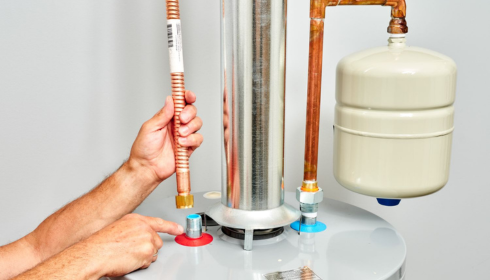
It’s easy to take hot water for granted — until one morning, you’re standing under a freezing stream, wondering what went wrong. Water heaters are another system we tend to forget exists… until they don’t work.
Most standard water heaters have a lifespan of about 8–12 years, but that doesn’t mean they’re maintenance-free. Sediment builds up over time, reducing efficiency and slowly corroding the tank from the inside out. Without regular flushing and inspections, even the best heaters can give out without much warning.
And if yours is in the garage or a hidden closet? You may not even notice it’s leaking until it’s caused serious damage.
Listen for strange noises — rumbling, popping, or hissing — and pay attention to any dips in water temperature or pressure. These are early signs that your water heater may be struggling. Don’t wait for it to fail catastrophically. Preventive checks can extend its life and save you from icy surprises.
Why “DIY” Doesn’t Always Mean “Done Right”
Look, I love a good YouTube tutorial as much as the next person. But when it comes to plumbing, a little knowledge can be a dangerous thing. Mismatched fittings, over-tightened joints, or the wrong type of sealant can cause more damage than the original problem ever would have.
I’ve been called in to fix plenty of “DIY disasters” that started with good intentions — and ended with burst pipes, flooding, or complete system replacements. When in doubt, it’s better to call in someone who does service & repair for a living. You’ll likely spend less in the long run, and you’ll sleep better knowing it was done right.
The Hidden Cost of Delay
Here’s the thing: water damage doesn’t care about your budget. It doesn’t wait for payday. The longer you delay a plumbing fix, the more expensive it becomes. Water spreads. It seeps into places you can’t see and invites problems you didn’t ask for — mold, mildew, warped flooring, ruined insulation, and sometimes electrical hazards.
Insurance companies are also less generous than you might think. Many policies won’t cover damage caused by neglected maintenance. So that slow leak or rattling pipe? If it’s been going on for a while and causes a bigger problem, you might be footing the entire bill.
Proactive care isn’t just smart — it’s economical.
It’s Not Just About Pipes — It’s About Peace of Mind
I once worked with a couple who had just bought their dream home — charming, full of character, and, as it turned out, full of plumbing nightmares. Within months, they faced backups, discolored water, and failing appliances. Their biggest regret? Skipping a full plumbing inspection during escrow and assuming a few drips were harmless.
Plumbing isn’t glamorous, and it often sits low on the list of home priorities. But when something goes wrong, it shoots straight to the top. Having a trusted plumber on speed dial, scheduling annual checks, and addressing issues early are simple ways to protect your investment — and your sanity.
A Call to Action (Before It’s a Cry for Help)
So, what can you do today?
- Inspect visible pipes — under sinks, behind toilets, around the water heater.
- Check your water bill — unexpected spikes could signal hidden issues.
- Listen closely — strange sounds or running water where there shouldn’t be any.
- Test your water pressure — too low or too high can be a sign of deeper issues.
And if something feels off? Don’t shrug it off.
The Bottom Line
Your home’s plumbing is a living system. It needs attention, care, and the occasional tune-up. Much like you wouldn’t ignore a check engine light, don’t ignore the signs of a plumbing issue just because water is still flowing.
Small drips lead to big damage. Odd noises could be early warnings. Cold water in the morning may be more than just bad luck.
If you’re unsure, tired of guessing, or just want peace of mind, don’t hesitate to reach out for professional help. A qualified plumber offering routine service & repair can spot issues long before they become emergencies. And trust me, it’s always better to fix a small problem today than a disaster tomorrow.