
It’s easy to trust something you use every day without thinking twice. Water flows, it looks clear, it tastes fine most of the time — and so it quietly earns our confidence. But sometimes, the most familiar things deserve a closer look.
There’s a strange comfort in routine. You fill a glass from the kitchen sink, brew coffee in the morning, rinse vegetables before dinner — all without questioning what’s actually coming through the pipes.
And for many homes, that trust isn’t misplaced. Municipal water systems do an incredible job making water safe to drink. But safety standards and optimal quality aren’t always the same thing.
That’s the part many homeowners don’t realize until they start noticing small details — subtle tastes, lingering odors, or residue left behind on dishes.
Once curiosity kicks in, it often leads to a surprising discovery: water quality isn’t a simple yes-or-no issue. It’s layered, complex, and deeply connected to both health and comfort.
The Invisible Nature of Water Quality Issues
Unlike obvious home problems like leaks or broken appliances, water quality issues rarely announce themselves loudly.
They tend to appear quietly — a faint chlorine smell, slightly metallic aftertaste, or an odd film on tea kettles over time. None of these feel urgent, which is why many households live with them for years.
But when people start researching, they quickly learn that modern water treatment solutions have evolved far beyond basic filters.
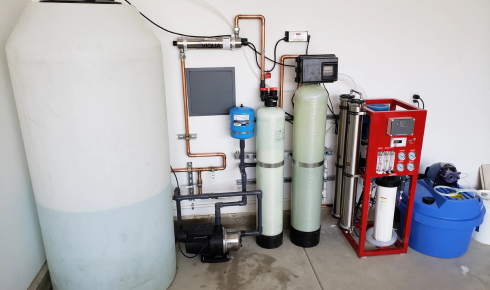
One of the most well-known technologies today is reverse osmosis systems, designed to remove a wide range of dissolved contaminants through an advanced filtration process.
What surprises many homeowners is how dramatically these systems can improve both taste and clarity, often revealing just how much had been present in the water all along.
Why Filtration Isn’t Just About Drinking Water
Most people initially think of water treatment in terms of drinking water alone. They install a small filter at the kitchen sink and assume the problem is solved.
But water flows through the entire home — into showers, washing machines, dishwashers, and even humidifiers. Each of these uses can be affected by impurities in different ways.
For example, chlorine and chemical residues can irritate skin during bathing, while sediment can gradually damage appliance components.
Understanding this broader impact often shifts the way homeowners think about water treatment. It’s no longer just about what goes into a glass — it’s about the entire home environment.
The Growing Importance of Microbial Protection
While chemical contaminants and minerals get a lot of attention, there’s another aspect of water quality that often goes unnoticed: microbial safety.
In certain areas, especially those relying on well water or aging infrastructure, bacteria and viruses can pose a hidden risk.
This is where technologies like uv disinfection come into play. Instead of filtering particles, UV systems use ultraviolet light to neutralize microorganisms, preventing them from reproducing or causing harm.
The process happens instantly, without adding chemicals or altering the taste of water.
For many homeowners, this layer of protection offers a powerful sense of reassurance — even if the threat itself remains invisible.
Why One Solution Rarely Fits Every Home
One of the most common misconceptions about water treatment is the idea that a single system can solve every issue.
In reality, water quality varies dramatically depending on location, water source, and plumbing conditions.
Some homes struggle primarily with mineral hardness, while others deal with chlorine, sediment, or trace contaminants. That’s why many modern systems incorporate specialty filters designed to target specific concerns.
These filters might address iron, sulfur odors, heavy metals, or even emerging contaminants that standard filtration methods don’t fully remove.
It’s a reminder that effective water treatment isn’t about choosing a one-size-fits-all solution — it’s about understanding the unique needs of your home.
The Subtle Benefits People Often Overlook
When homeowners improve their water quality, the most noticeable changes aren’t always dramatic.
Instead, they show up in everyday moments.
Coffee tastes smoother. Soap rinses away more easily. Skin feels less irritated after showers. Glassware emerges from the dishwasher without streaks or spots.
These improvements may seem small individually, but together they create a noticeable difference in daily comfort.
Many people describe it as a quiet upgrade — something they didn’t realize they needed until they experienced it.
The Long-Term Impact on Home Maintenance
Beyond personal comfort, better water quality also affects the longevity of household systems.
Impurities in water can gradually build up inside pipes, water heaters, and appliances, reducing efficiency and increasing the likelihood of repairs.
By addressing these issues early, homeowners can protect their plumbing infrastructure and reduce long-term maintenance costs.
It’s an investment that pays off slowly but consistently over time.
Why Awareness Around Water Quality Is Growing
In recent years, more homeowners have started paying attention to water quality than ever before.
Part of this shift comes from increased access to information. Water testing kits are more affordable, treatment technologies are more efficient, and awareness of environmental concerns continues to grow.
People are no longer content to assume their water is “good enough.” They want to understand it, improve it, and feel confident about using it every day.
The Bigger Picture: Water as a Foundation of Everyday Life
At its core, water isn’t just another utility. It’s woven into nearly every aspect of daily living.
It affects health, comfort, cleaning, cooking, and even the lifespan of home systems. Improving its quality doesn’t just solve isolated problems — it enhances the entire living environment.
It’s one of those changes that quietly influences daily routines without demanding attention.
The Bottom Line: A Closer Look Makes a Big Difference
Most of us grow up assuming the water from our taps is something we never need to think about.
But once you begin to look closer — to notice subtle tastes, textures, and effects — it becomes clear that water quality plays a much larger role in everyday life than we often realize.