
There’s a strange kind of trust we place in the water that comes out of our taps. We turn the handle, fill a glass, and assume it’s fine. Most of the time, it is—at least by basic standards. But “safe” and “ideal” aren’t always the same thing, and that gap is where a lot of people start paying attention.
It usually begins with a small moment. Maybe the taste feels off one morning, or you notice a faint smell you can’t quite ignore. Or maybe you just start wondering—what’s actually in this water?
More Than Just a Taste Issue
Water quality isn’t only about flavor, though that’s often the first clue. It’s about what’s dissolved in it—minerals, chemicals, trace contaminants that don’t necessarily show up in obvious ways. Municipal treatment systems do a decent job, but they’re designed for large-scale safety, not necessarily for personal preference or long-term comfort.
And let’s be honest, “meets minimum standards” isn’t exactly a glowing endorsement.
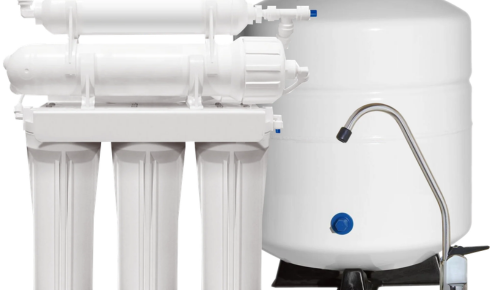
That’s where reverse osmosis systems start making sense for a lot of households. They work quietly, filtering water at a microscopic level, removing things you didn’t even know were there. It’s not flashy technology, but it’s incredibly precise.
The result? Water that feels cleaner—not just in taste, but in a way that’s hard to describe until you experience it.
A Shift in How You Think About Drinking Water
Once you start paying attention, your habits change a little. You might find yourself refilling your bottle more often, or even enjoying plain water in a way you didn’t before. It sounds small, but it’s not.
There’s something reassuring about knowing your drinking water purification setup is working behind the scenes, taking care of the details you don’t want to think about every day. It removes that tiny bit of doubt that sometimes lingers in the back of your mind.
And oddly enough, it can encourage better habits. When water tastes good, you tend to drink more of it. Simple as that.
Not All Filters Are Created Equal
Here’s where things get a bit nuanced. Walk into any store—or scroll online for five minutes—and you’ll see dozens of filtration options. Pitchers, faucet attachments, under-sink units… it can get overwhelming pretty quickly.
But the difference often comes down to depth. Basic filters might improve taste or reduce chlorine, which is great, but they don’t always go far enough for people looking for a more complete solution.
That’s why some homeowners turn to specialty filtration kits. These are designed to address specific concerns—maybe it’s heavy metals, maybe it’s fluoride, maybe it’s something unique to your local water supply. Instead of a broad, general approach, they target what actually matters for your situation.
It’s a bit like tailoring a suit instead of buying one off the rack. Both work, but one fits better.
The Quiet Benefits You Don’t Expect
What’s interesting is how quickly you stop noticing the system itself. It fades into the background, becoming part of your routine without demanding attention.
But the benefits stick around.
Coffee tastes smoother. Ice cubes don’t carry that faint aftertaste. Even cooking feels different—soups, pasta, anything that relies heavily on water seems to come out just a bit cleaner, a bit more balanced.
And then there’s the long-term side of things. Appliances that use filtered water—like kettles or coffee machines—tend to last longer because they’re not constantly dealing with buildup. Again, not dramatic. Just quietly efficient.
Maintenance Isn’t as Complicated as It Sounds
A lot of people hesitate because they assume these systems are high-maintenance. In reality, it’s more about consistency than effort.
Filters need to be replaced periodically, sure. But most modern systems are designed to make that process straightforward. Some even remind you when it’s time, which takes the guesswork out of it.
It’s not a set-it-and-forget-it situation, but it’s close enough that it doesn’t become a burden.
And once it’s part of your routine, it feels no different than any other small household task.
Is It Worth Making the Switch?
That depends on what you value.
If you’re perfectly happy with your current water, maybe it’s not a priority. But if you’ve ever questioned the taste, the quality, or just the idea of relying entirely on municipal systems, then it’s worth exploring.
The thing is, clean water isn’t just about health—it’s about confidence. It’s about not having to second-guess something you use every single day.
And when you think about it that way, it feels less like an upgrade and more like a baseline.
A Small Change That Stays With You
At first, installing a filtration system might feel like a minor adjustment. Something practical, maybe even a bit overdue. But over time, it becomes one of those changes you don’t want to undo.
Because once you get used to water that tastes right, feels right, and doesn’t leave you wondering what’s in it… going back is surprisingly difficult.
It’s not about chasing perfection. It’s about removing the little doubts, the small inconveniences, the things you didn’t realize were bothering you until they were gone.
And in a way, that’s what good water does—it doesn’t demand attention. It just quietly improves the way you live, one glass at a time.